

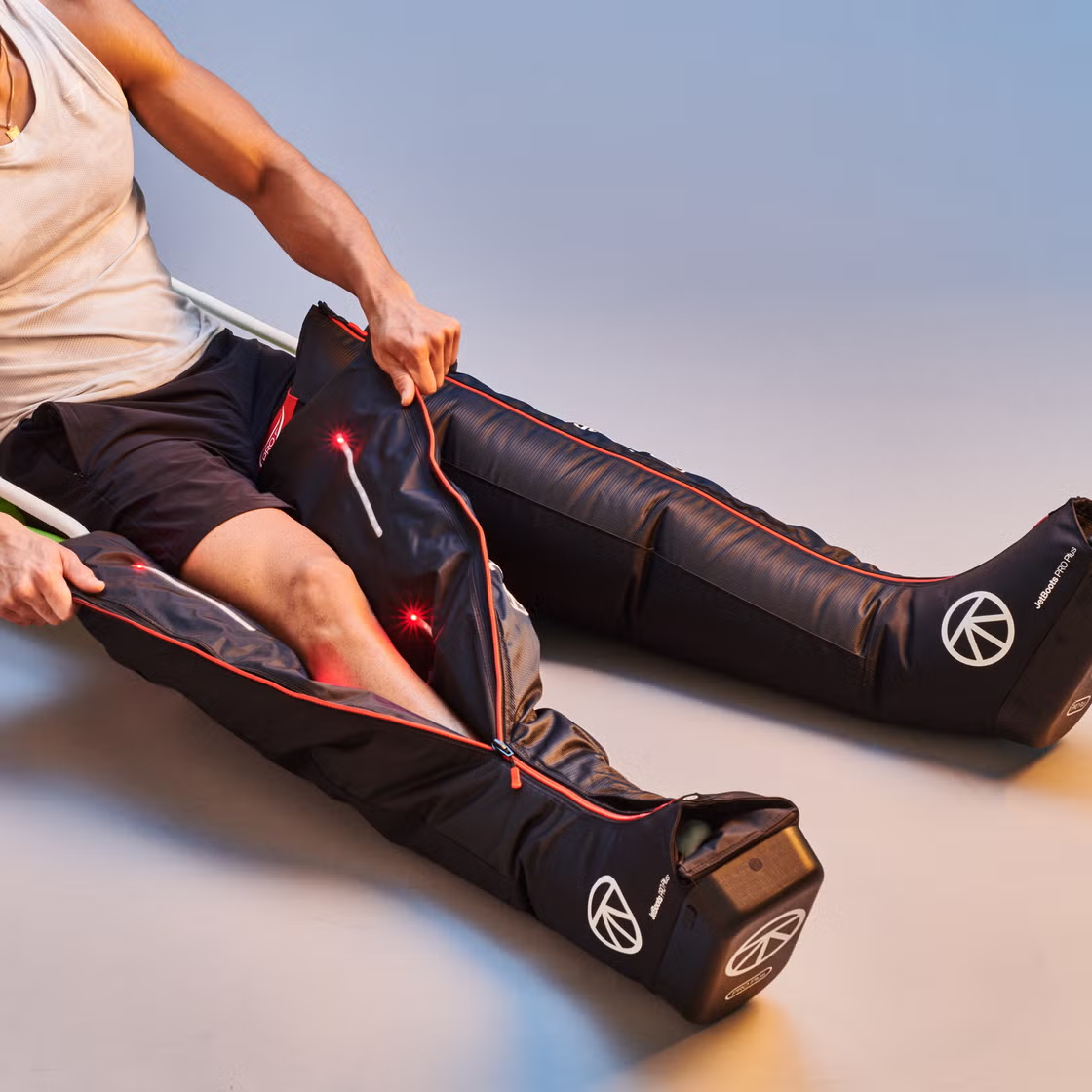
Saturday athletes do not need a pro locker room to feel pro-level soreness by Sunday morning. That is why NormaTec Go has caught so much attention with runners, pickleball players, rec-league hoopers, CrossFit regulars, cyclists, and parents squeezing hard workouts between work and family life. The appeal is plain: it targets the calves, travels easily, and turns recovery into something you can do on the couch instead of another appointment on the calendar. Hyperice lists the unit with dynamic air compression, seven pressure levels, Bluetooth control, up to three hours of battery life, TSA-friendly travel, and a 1.2-pound build, which explains why a portable compression device feels less like elite gear and more like a practical weekend tool. For Americans who train in bursts, the timing matters. A long Saturday ride, a Sunday tournament, or a heavy leg day can make Monday feel punishing. The real question is not whether recovery tech looks cool online. It is whether it fits the messy way active people actually live.
Why NormaTec Go Fits the New Weekend Recovery Habit
Weekend athletes are not lazy about recovery. They are squeezed. A person might run five miles at 7 a.m., coach a kid’s soccer game at 10, mow the lawn after lunch, and still have emails waiting Sunday night. That is the gap this category speaks to: not elite performance, but recovery that survives a normal American schedule.
The rise of recovery gear for people without a training staff
For years, compression systems looked like something you used at a physical therapy office or saw in a photo of a pro basketball player on a charter flight. Full-leg boots still have that mood. They take space, they look serious, and they often ask you to sit still. That works for some people. It does not work for everyone.
The calf-focused design changes the feeling. You can keep the sleeves near the sofa, pack them for a road race weekend, or use them after a lunch-hour gym session. That makes calf compression recovery feel less like a ceremony and more like brushing your teeth after a hard run. Small friction matters more than most people admit.
There is a non-obvious reason this matters: recovery tools fail when they ask for a new lifestyle. The best one is often the one you will use while watching a game, answering a text, or waiting for dinner. For a weekend athlete, compliance beats perfection.
This is also why the trend lands so well in the U.S. Many active adults do not train in one neat block. They train around school drop-offs, office commutes, church leagues, driveway workouts, and family travel. A recovery habit has to live in that same clutter. If it demands a quiet room and a perfect schedule, it will lose.
There is a cultural piece here too. Weekend sports have become more intense without becoming more organized. The local 5K now has carbon shoes at the start line. The neighborhood pickleball court has players drilling like they are chasing a medal. The effort went up. The recovery plan often stayed stuck at “I’ll be fine by Tuesday.”
Why calves get so much attention after casual competition
Calves take a beating in sports that do not look brutal from the outside. Pickleball has short stops. Basketball has repeated jumps. Trail running adds downhill braking. Even a charity 5K can light up the lower legs if you spend most weekdays at a desk.
That is why a portable compression device aimed at the calves makes sense. The calf muscles help push blood back upward during movement, so they often become the place where heaviness, tightness, and that “dead legs” feeling show up first after a hard effort. Hyperice describes its system as dynamic air compression massage for the calf muscles, meant to increase circulation and reduce pain and tension in the legs.
The catch is that calf relief is not the same thing as whole-body recovery. A runner with sore quads from downhill miles may still need easy movement, food, sleep, and time. The device solves a real problem, but not every problem. That honesty is part of why it fits smart weekend athlete recovery: it handles one common bottleneck without pretending to replace discipline.
Another point gets missed: calves often expose training errors before the rest of the body does. A new court shoe, a hillier route, or one extra sprint session can show up there first. So the value is not only comfort. It can make you notice patterns you used to ignore.
What the Viral Buzz Gets Right and What It Misses
Viral gear usually gets flattened into a simple claim: buy this, feel better, train harder. That is too neat. The better read is that people are reacting to convenience. The product looks easy to understand in a short clip because the use case is clear: wrap the calves, press a button, relax. No wires across the living room. No appointment. No awkward setup.
Convenience is the feature people notice first
The spec sheet helps explain the reaction. Hyperice lists seven levels of compression, three zones of gapless compression, Bluetooth support, and a hose-free design that works while standing at a desk or resting at home. That is the part many shoppers can picture right away.
A dad in Ohio who plays Sunday softball does not want a complicated recovery station. A half-marathon runner in Texas may not want full boots in a carry-on. A skier flying from Chicago to Denver may care more about battery life and size than about looking like a pro athlete in a hotel room.
The counterintuitive piece is that smaller can feel more premium, not less. Full-leg systems look impressive, but they can be too much for people whose main issue is calf heaviness after recreational sports. A focused tool can feel smarter because it removes the parts you were not using.
There is another reason short-form video loves this kind of gear. It gives viewers a visible action. A supplement is invisible. Sleep is boring on camera. A compression sleeve inflates, tightens, releases, and looks like something is happening. That does not prove results, but it explains attention.
The better shopper reads that signal carefully. A product can be popular because it solves a pain point, because it photographs well, or because both are true. In this case, the visual appeal lines up with a real use case: lower-leg fatigue is easy to recognize, and the fix does not require a learning curve.
The science supports caution, not hype
Intermittent pneumatic compression has research behind it, but the best reading is measured. Recent research on delayed-onset muscle soreness found improved soreness and muscle function in an IPC group compared with control conditions, while other work suggests short-term relief may not always mean lasting recovery from exercise-induced muscle damage.
That distinction matters. Feeling better on Monday morning is valuable. It can help you walk normally, sit at your desk without fidgeting, or show up for an easy spin instead of skipping movement altogether. But feeling better does not mean your tissues are magically rebuilt.
For weekend athlete recovery, the smartest use is boring and steady: combine dynamic air compression with sleep, hydration, protein, easy movement, and smart training jumps. The device may help the recovery experience feel more manageable. It should not become permission to double your mileage because your calves felt lighter after one session.
Think of it like a dishwasher after a big meal. It saves effort and makes cleanup easier, but it does not cook dinner, shop for groceries, or decide whether you ate well. Compression can help handle one part of the aftermath. Your training plan still creates the mess or prevents it.
How to Decide Whether It Belongs in Your Routine
A good recovery purchase starts with your actual soreness pattern, not the loudest social post. Some people always feel tight in the calves. Some feel cooked in the hips. Some need better shoes, better programming, or one more rest day. Buying tech before naming the problem is how closets fill with expensive mistakes.
Match the tool to your sport, not your feed
If you play pickleball three times a week, run local 10Ks, hike steep trails, cycle hard on weekends, or stand all day after training, calf-focused recovery may earn its place. If your main pain is low back stiffness from deadlifts or quad soreness from squats, you may want a different recovery route.
Think through a normal month. Maybe you do a Saturday park run, a Tuesday gym class, and a Friday night tennis match. If your lower legs feel heavy after each one, the pattern is telling you something. If soreness moves around every time, a single-zone tool may feel less useful.
The sneaky benefit is behavioral. A recovery device can become a stop sign at night. You sit down, run a session, drink water, and stop pretending you can cram one more chore into the day. Sometimes the device helps because it compresses your calves. Sometimes it helps because it makes you pause.
Ask one blunt question before buying: what would make me use this twice a week for six months? If the answer is “because it looks cool,” wait. If the answer is “because my calves ruin Monday after every long run,” the case gets stronger.
A clean buying filter is to rank your recovery problems before ranking products. Sleep first. Training load next. Shoes, surfaces, and warm-ups after that. Then look at tools. If the same calf issue keeps showing up after you have handled the basics, a targeted device becomes easier to justify.
When a smaller system beats full-leg boots
Full-leg boots still make sense for endurance athletes who load the whole lower body often. Marathon training, long cycling blocks, and back-to-back tournament weekends can create soreness from hips to ankles. In those cases, larger coverage has a clear appeal.
But many active adults do not need the largest option. They need a tool that fits under a coffee table, charges without fuss, and does not make recovery feel like medical equipment. That is where dynamic air compression in a smaller package has a clean lane.
A practical example: someone training for a Thanksgiving 10K in Boston may do three runs a week, two short strength sessions, and one long walk on Sunday. Their calves and shins might complain more than their hamstrings. For that person, calf compression recovery could be the part they repeat, while foam rolling, mobility, and easy walks handle the rest.
The smaller system may also reduce the mental barrier. Full boots can make recovery feel like an event. Calf sleeves can feel like a quick habit. That matters during busy weeks, when the choice is not between perfect recovery and poor recovery. It is between some recovery and none.
The Smart Way to Use Compression Without Fooling Yourself
Recovery gear works best when it sits inside a plan. Used without judgment, it can become another shortcut people expect too much from. Used with restraint, it can make hard training easier to repeat. The difference is not the device. It is the honesty of the person using it.
Build a simple post-workout rhythm
Start with the obvious pieces. Cool down for a few minutes. Eat a real meal. Drink water. Get off your feet if your legs feel swollen or heavy. Then add compression when it fits the moment. Hyperice says typical sessions are often 20 to 30 minutes, with shorter medium-intensity use before activity and longer medium-to-higher treatment after workouts depending on the goal.
That does not mean longer is always better. A weekend warrior who ran hills for the first time in months may need patience more than pressure. Start lower than your ego wants. Your goal is a calmer lower leg, not a contest with the settings.
Use the same rule you would use with a good massage therapist: pressure should feel purposeful, not punishing. If your feet tingle, pain sharpens, swelling looks odd, or you have a vascular condition, stop and ask a qualified clinician. Viral recovery gear does not get to overrule your body.
A simple rhythm helps: use it after the hardest lower-leg sessions, not after every mild walk. Keep notes for two weeks. Track soreness the next morning, sleep, and whether you trained again too soon. If nothing changes, you learned something before turning the device into a superstition.
Timing can be as practical as your calendar. After a Saturday race, use it once you are home, fed, and settled. After a weeknight gym class, use it while your dinner cools. After a long travel day before a race, use it gently instead of pacing the hotel room and stressing about stiff legs.
Know what it cannot fix
No compression sleeve can rescue poor training choices for long. If you jump from two miles to eight, play three pickleball sessions on bad sleep, then skip dinner protein, your legs will keep score. The device may soften the bill. It will not erase it.
This is where home recovery tools and smart fitness gear guide can sit in a useful content cluster: shoppers need help sorting support tools from core habits. One helps comfort and routine. The other helps you understand where money should go first.
For a science-minded reader, the best outside reference is research on intermittent pneumatic compression and delayed-onset muscle soreness. The takeaway is not that every athlete must buy compression. It is that pressure-based recovery can help some markers and feelings after hard exercise, while still needing honest boundaries.
The final boundary is pain. Normal soreness usually feels broad, dull, and tied to a recent effort. Sharp pain, one-sided swelling, numbness, heat, or symptoms that worsen deserve more care than a gadget can give. Smart athletes do not ignore warning signs. They treat them like information.
Conclusion
The most interesting part of this trend is not the gadget. It is the shift in who recovery is for. Weekend athletes used to treat soreness as a badge of honor, then limp through work like that proved something. Now more people want tools that help them keep moving without turning recreation into a second job.
NormaTec Go makes sense in that lane because it is focused, portable, and easy to picture inside a normal routine. It is not magic, and it should not become a reason to ignore rest, nutrition, gradual training, or pain that needs medical attention. But for the American runner, cyclist, lifter, hiker, or court-sport player who always feels the lower legs first, it answers a real need.
Buy it only if the problem matches the promise. Use it as part of a calmer routine, not as a shortcut around better habits. That is a healthier, more honest standard for training. Recovery should help you return to the next weekend with more confidence, not more excuses.
Frequently Asked Questions
Is a calf compression device worth it for weekend athletes?
Yes, if your calves often feel heavy, tight, or sore after running, court sports, cycling, hiking, or long days on your feet. It makes less sense if your soreness usually sits in your hips, quads, back, or shoulders.
How long should you use portable compression after a workout?
Many people start with 20 to 30 minutes after training. Lower or medium pressure is a safer first step than chasing the highest setting. The right session should leave your legs calmer, not irritated or numb.
Can compression replace stretching or mobility work?
No. Compression may help your legs feel better, but it does not build range of motion, strength, or tissue tolerance. Keep mobility work, easy walking, and gradual training in the routine if you want soreness to drop over time.
Is dynamic air compression safe before exercise?
It can be useful before activity when used at a moderate setting for a shorter session. The goal is to feel looser and more awake, not drained. Stop if pressure feels painful, strange, or distracting.
Who should avoid using recovery compression gear?
People with circulation problems, blood clot concerns, unusual swelling, nerve symptoms, open wounds, or certain medical conditions should speak with a clinician first. Recovery gear is not the place to guess when symptoms feel abnormal.
Does calf compression help runners more than lifters?
It often fits runners well because calves work hard during impact, push-off, and downhill braking. Lifters may benefit too, but only when lower-leg tightness is the main issue. Squat soreness in the quads needs different support.
What pressure level should beginners choose first?
Start low, then increase slowly across later sessions if your legs respond well. Stronger pressure is not always better. Comfort, consistency, and timing matter more than proving you can handle the top level.
Can you travel with a portable compression device?
Many portable recovery devices are designed for travel, but check the maker’s current guidance before flying. Keep chargers, batteries, and sleeves organized in your carry-on so security screening and hotel use stay simple.