

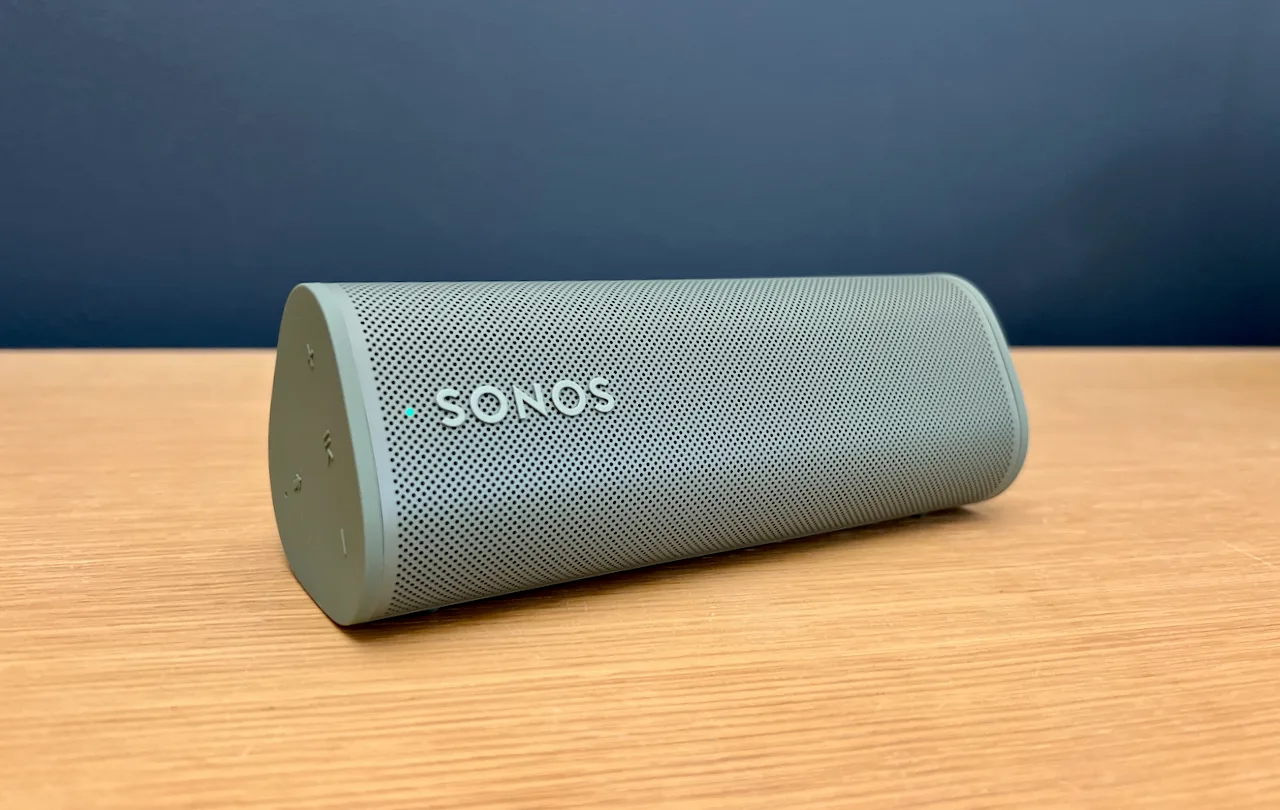
A speaker discount only matters when the product still makes sense after the sale buzz fades. That is why Sonos Roam 2 is getting attention from U.S. shoppers who want one device for the kitchen, patio, hotel room, desk, and weekend bag without buying into a bulky party speaker. The draw is not only the lower ticket. It is the way the price drop changes the decision. At $179 on Sonos’ own store, this model sits in premium mini-speaker territory, with IP67 protection, Wi-Fi, Bluetooth, AirPlay 2, voice support, and up to 10 hours of battery life listed among its features. When deal trackers saw it fall around the mid-$130 range, the math started to feel different. For readers following smart shopping and product coverage, this is the kind of deal that needs a calmer look. A low price can tempt you fast. A useful speaker earns the money slowly, one ordinary day at a time.
Why Sonos Roam 2 Discounts Feel Different This Year
The discount lands at an odd moment for speaker buyers. Many Americans already own a cheap Bluetooth speaker from a beach trip, dorm room, or holiday sale. The question is no longer, “Can I get sound anywhere?” The better question is, “Can one compact device feel at home in more than one part of my life?”
The price drop changes the buyer’s tolerance
At full price, this speaker asks you to care about more than volume. You have to value Wi-Fi playback, AirPlay support, voice features, tuning, and the broader Sonos setup. That is a narrower audience. A college student in Ohio may not care. A parent in Phoenix with a Sonos soundbar in the living room might care a lot.
When the price slips closer to common premium Bluetooth rivals, the friction drops. You are no longer comparing a pricey mini speaker against a cheap pool speaker. You are asking whether a compact smart speaker with home-audio manners deserves a spot in your daily routine. That is a different purchase.
The non-obvious part is that the deal does not make the speaker louder, tougher, or longer-lasting. It makes its compromises easier to accept. A shorter battery window feels less annoying when you paid sale money. A single-room soundstage feels fair when the speaker also handles Wi-Fi at home.
A waterproof speaker deal is only good if the use case is real
A waterproof speaker deal sounds good on paper, but plenty of buyers never take their speaker near water. They use it in a bathroom, on a desk, or beside a grill. That still counts. IP67 protection means less worry when someone splashes the sink, knocks over a drink, or leaves the speaker outside during a quick summer drizzle.
For a U.S. buyer, the practical test is simple. Think about where the speaker will sit on a normal Tuesday. If the answer is “next to my laptop while I cook dinner,” the value comes from easy daily use. If the answer is “beside the pool every weekend,” durability matters more.
A sale can blur that line. The smarter move is to buy for the boring days, not the perfect vacation photo. A speaker that earns five short uses a week beats one that waits all year for a beach cooler.
The Real Value Is the Indoor-Outdoor Switch
This is where the speaker separates itself from basic portable models. It is not trying to be the loudest thing at the campsite. It is trying to move from home Wi-Fi to outdoor Bluetooth without making you rethink your setup every time. That matters more than spec sheets suggest.
Portable Bluetooth speaker convenience still matters most
A portable Bluetooth speaker has to feel quick. Nobody wants to fight pairing while friends are already standing around the patio table. The updated Roam model added a dedicated Bluetooth pairing button, which reviewers and deal coverage have pointed out as a practical fix over the first version’s fussier setup. That small control change matters because speakers live or die by tiny moments.
Think about a Saturday at a rented lake house in Michigan. You want music while unpacking groceries, then again near the dock, then later in the kitchen. A speaker that needs a full ritual each time becomes a drawer item. A speaker that pairs fast gets used.
The trick is that convenience is not flashy. It will not make a bold ad claim. But it decides whether you reach for the device or leave it charging behind a plant.
Wi-Fi gives this compact smart speaker a different job at home
Bluetooth is good for motion. Wi-Fi is better for the house. That is the split many buyers miss when they compare this model to cheaper speakers. At home, Wi-Fi playback can keep the speaker tied into a larger audio system, especially if you already use Sonos gear in another room.
That makes the compact smart speaker feel less like a spare gadget. It can sit in a bedroom during the week, move to the shower area in the morning, then ride out to the deck at night. You are not buying two speakers for two habits.
The counterintuitive angle is this: the speaker may be more valuable indoors than outdoors. Buyers often justify it with pool days and travel plans. Then they end up using it most while folding laundry, cooking, or playing a podcast in a home office.
Where the Lower Price Makes Sense for Everyday Buyers
A lower price does not make every buyer a match. It sharpens the buyer profile. This is a good fit for people who care about design, easy movement, and mixed home use. It is less convincing for people who want huge bass, all-day battery life, or party-level volume.
The best buyer already wants more than raw volume
If you want to fill a backyard barbecue with heavy bass, this is not the right first pick. Larger speakers exist for that job. This one works better for a couple on a balcony in Austin, a remote worker in Denver, or a family that wants music from the kitchen to the patio without hauling a brick-sized speaker around.
That is why the sale price matters. It moves the speaker from “nice, but expensive” toward “reasonable for the right home.” The value sits in polish, not force. You are paying for a speaker that feels easy to live with.
A portable speaker buying guide would likely sort this into the premium compact lane, not the party speaker lane. Buyers who understand that lane tend to leave happier. Buyers who expect it to beat a large outdoor speaker will blame the product for the wrong job.
The waterproof speaker deal works best for apartments and smaller homes
Apartment renters and small-home owners may get the most from the price drop. They often do not need huge volume. They need flexible sound that does not take over a room, annoy neighbors, or demand a fixed corner. A waterproof speaker deal with Wi-Fi support fits that pattern.
Picture a renter in Chicago who works from the dining table, cooks in the same room, and uses the fire escape or small balcony when the weather breaks. One speaker can cover that routine without feeling excessive. The same logic applies to a condo owner in Miami who wants music near the bathroom, kitchen, and patio door.
The hidden benefit is restraint. Smaller speakers can be better neighbors. They let you enjoy music without turning every playlist into a building-wide announcement.
What to Check Before You Treat the Sale as a Win
A low price can still be a bad buy if the seller, return terms, or color choice disappoints you. Portable speakers often attract quick purchases because they feel simple. But the best deal is the one that arrives on time, works as promised, and can be returned without drama.
Confirm the seller, return window, and final checkout price
Before you buy, check whether the retailer is authorized, whether the item is new, and whether the return window works for your schedule. The FTC’s online shopping guidance advises shoppers to compare prices, read seller details, check delivery and return terms, and keep purchase records. That advice sounds plain because plain advice prevents expensive mistakes.
This matters more when a product appears at a record-low price. Some listings may add shipping costs. Some marketplace sellers may have stricter return rules. Some colors may ship later than others. Sonos’ own store has also shown color-specific stock timing, such as an olive listing with a July 21, 2026 estimated ship date.
Do not let a $10 difference make you ignore a messy return policy. A speaker is something you should test in your own room, with your own phone, and your own music.
Make sure it fits your audio habits before the timer runs out
Deal timers push people toward fast decisions. Audio gear deserves one quiet minute. Ask yourself what you play most. Podcasts? Acoustic playlists? Pop while cooking? Background music during work? A small speaker can handle those habits well. It may not satisfy someone who wants chesty bass in an open backyard.
Also check your phone setup. Apple users may care about AirPlay 2. Existing Sonos owners may care about whole-home listening. Buyers who only need Bluetooth at the park may find cheaper options that do the basic job.
A best outdoor tech deals roundup can help compare use cases, but your own routine should win. The right speaker is not the one with the loudest sale headline. It is the one you keep reaching for after the receipt disappears.
Conclusion
The best thing about this price drop is not the discount itself. It is the way the lower cost makes the speaker easier to judge on its actual strengths. This is a small, polished audio tool for people who move between rooms, routines, and light outdoor use. It is not a backyard monster, and it should not be judged like one.
At a lower sale price, Sonos Roam 2 becomes easier to recommend for buyers who want a compact smart speaker that can act casual outside and refined at home. That balance is the whole point. You should still check the seller, return terms, shipping date, and final checkout total before buying.
If the deal lines up with your habits, act with confidence. Good tech should disappear into your day, not demand attention every time you press play.
Frequently Asked Questions
How much should I pay for the Roam 2 on sale?
A strong U.S. sale price sits around the mid-$130 range based on recent major retailer discounts. Paying full price can still make sense for a needed color or direct purchase, but the deal feels stronger when the discount reaches about $40 or more.
Is the Roam 2 worth buying if I already own a cheap Bluetooth speaker?
Yes, if you want Wi-Fi playback, AirPlay support, voice features, and better home use. No, if your current speaker already handles beach trips and garage music well. The upgrade makes sense for mixed indoor and outdoor listening.
Does this speaker work well for backyard parties?
It works for calm outdoor listening, dinner music, and small gatherings. It is not the best choice for a loud backyard party with many guests. A larger speaker with stronger bass and longer battery life fits that job better.
Can I use it in the bathroom or near the pool?
Yes, its IP67 rating makes it suitable for wet areas and outdoor splash risk. You should still avoid careless charging habits and dry the speaker before plugging it in. Water resistance helps with accidents, not rough treatment.
What makes it different from a standard portable Bluetooth speaker?
The big difference is home use. Standard Bluetooth speakers focus on phone pairing. This model also supports Wi-Fi, AirPlay 2, voice features, and Sonos system use, so it can feel more natural inside the house.
Is the battery life enough for travel?
It can work for short trips, hotel rooms, picnics, and day use with breaks. For camping weekends or long beach days without charging access, a speaker with longer battery life may suit you better.
Should I buy from Sonos, Amazon, Best Buy, or Walmart?
Choose the seller with the best mix of price, return window, stock status, and delivery date. A slightly higher price from a retailer with cleaner returns can beat a cheaper listing with unclear terms or slow shipping.
What color should I choose for resale or long-term use?
Black and white are usually safest for long-term taste and resale. Brighter colors can look better in a room or bag, but they may feel more personal. Pick the color you will still like after the sale excitement fades.