

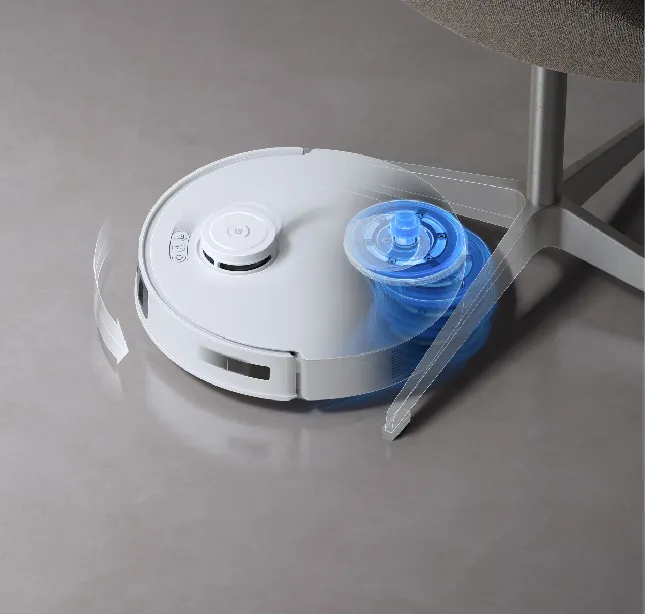
The best robot vacuum discounts are not always about the biggest red sticker. Sometimes the smarter move is catching a premium model after the early buyer tax has faded. The Deebot T30 Pro now sits in that interesting zone for U.S. shoppers: high-end enough to replace a lazy cleaning routine, but no longer priced like a showpiece for people who buy every new smart home gadget on launch week. Ecovacs lists the model with 11,000Pa suction, TrueDetect 3D 3.0 obstacle avoidance, TruEdge edge mopping, auto-lift mopping, and an Omni station that handles much of the messy dock work. That is why this robot vacuum deal deserves more thought than a quick “add to cart.” If your home has pet hair, tile, hardwood, low-pile rugs, or a kitchen that never stays crumb-free, this could be the rare discount that changes daily chores. For more smart home deal coverage, home technology shoppers can track how price drops line up with actual household value, not hype.
Why the Deebot T30 Pro Price Drop Changes the Math
A robot vacuum at full retail has to defend every dollar. A robot vacuum on a deep discount gets judged differently. You are no longer asking, “Is this the absolute best model ever made?” You are asking, “Does this clean enough of my week to earn its spot in the house?”
That matters because a self-emptying robot vacuum with mopping is not a small upgrade from a cheap bumper-bot. It changes the cleaning rhythm. Instead of dragging out a stick vacuum after dinner, you set zones, schedule runs, and let the dock take over the dirty part. The friction moves from daily labor to occasional maintenance. That is the whole point.
The discount matters more than the launch price
Launch prices are often built for early adopters. Those buyers pay for the thrill of owning the newest thing first. Regular families in Ohio, Texas, Florida, or New Jersey usually care about a plainer question: does it save enough time to beat a cordless vacuum and mop combo sitting in the closet?
At a lower price, the Ecovacs Omni becomes easier to justify for homes that were sitting on the fence. A parent cleaning cereal under a high chair every morning will feel the value faster than someone with a tidy studio apartment. A dog owner with a shedding golden retriever may notice it before a single adult with sealed hardwood and no rugs.
The non-obvious point is this: the biggest savings may not be the sale amount. It may be the number of times you do not postpone cleaning. Floors stay better when cleaning is boring, automatic, and frequent. A robot mop vacuum can win because it lowers the emotional cost of starting.
Where the deal fits against cheaper bots
Budget robots can still make sense. A basic model may handle crumbs in a small apartment with one flooring type. The problem starts when a home has chair legs, rugs, pet bowls, threshold strips, and sticky kitchen spots. That is where cheap robots turn into small moving chores.
This model’s stronger case comes from its mix of vacuuming, mopping, edge work, and dock automation. Ecovacs says the T30 family uses TruEdge to clean close to edges and table legs, while the mopping plates can lift when carpet is detected. Those are not decoration features. They answer the two places robot cleaners often look bad: baseboards and rugs.
A smart buyer should still compare it with nearby models before checkout. Use a robot vacuum buying guide to check suction, mop style, obstacle handling, dock size, app control, and replacement-part cost. The cheapest sticker price is not always the cheapest ownership experience.
The Cleaning Features That Matter in Real Homes
Spec sheets can feel like a contest where every brand shouts a bigger number. Suction, mapping, hot water, AI, obstacle detection, mop lift. After a while, it all blends together. The useful test is simpler: what happens on a Tuesday night after dinner?
A good robot has to survive normal clutter. It should not spread wet mess across the kitchen. It should not drag pet hair into corners. It should not treat a bath mat like a personal enemy. This is where premium features earn their keep, but only when they solve normal problems.
Why 11,000Pa suction needs the right home
Ecovacs lists 11,000Pa vacuum power for this model, which puts it in the strong-suction class for a robot cleaner. That sounds exciting, but suction is not magic. It works best when the brush design, air path, dust bin, and navigation pattern all cooperate.
On hard floors, strong suction helps with sand, coffee grounds, pet kibble crumbs, and the gritty dust that shoes bring in. In a Phoenix entryway or a Dallas mudroom, that can matter. On carpet, it helps pull debris from the top layer, though a full-size upright still wins for deep carpet cleaning.
Here is the quieter truth: high suction is most useful when the robot runs often. One heavy run per week is less impressive than daily passes that stop dirt from settling. That is why a self-emptying robot vacuum has more value than the suction number alone. The dock makes frequent cleaning less annoying.
Mopping is where premium robots separate themselves
Mopping is harder than vacuuming. Dry crumbs are predictable. Wet spots are not. A robot mop vacuum has to manage water, pressure, pad cleaning, carpet avoidance, and dirty areas without turning the floor into a streaky map of its mistakes.
Ecovacs says the T30 Pro Omni uses OZMO Turbo 2.0 mopping, auto small tank refill, intelligent deep mopping, and hot-water mop washing through the station. That package is useful for kitchens, laundry rooms, and open-plan living spaces where dust and food traffic overlap.
The counterintuitive part is that mopping does not need to be aggressive every day. Light daily mopping can beat one hard scrub on Sunday because stains have less time to settle. If you cook at home, have kids, or let pets run in from a wet yard, that steady rhythm is the feature you will feel most.
The Omni Station Is the Real Luxury
The robot gets the attention, but the dock decides how often you keep using it. Many people buy a cleaning robot with big hopes, then stop running it because the upkeep becomes one more task. Empty this bin. Wash that pad. Untangle that brush. Refill the tank. Clean the tray.
That is where the Omni station matters. It is not glamorous in the way a shiny robot is glamorous. It is closer to a dishwasher. You appreciate it because it handles the part nobody wants to touch.
Self-emptying changes how often you run it
A self-emptying robot vacuum is not only about convenience. It changes behavior. When you know the robot can finish a run and dump debris into the dock, you are more likely to schedule cleaning while you are at work, at the gym, or running errands.
Think about a family in a suburban Atlanta home with a dog, two kids, and an open kitchen. The visible mess may be small each day, but the dust bin fills faster than expected. A regular robot asks for attention after those runs. A docked system asks less often, so the schedule survives.
That is the hidden win. Cleaning tools only work when they stay in use. A cheaper robot that sits idle is more expensive than it looks. A better dock can make a robot vacuum deal feel smarter six months later, not only on the day it arrives.
Maintenance still matters, even with automation
Automation does not cancel maintenance. It reduces it. You will still need to replace dust bags, rinse parts, check brushes, refill clean water, empty dirty water, and keep the dock area clear. Ignore that, and even a premium cleaner starts acting like a tired budget bot.
Ecovacs lists a detachable baseplate, upgraded filtration structure, and accessory kits for the T30 family, which gives buyers a clue about ongoing ownership. Before buying, check the price of bags, mop pads, brushes, filters, and cleaning solution. Those small costs shape the real deal.
For U.S. homes with pets, the anti-tangle design may be the feature that saves the most patience. Ecovacs describes a roller design made to reduce hair wrapping. Still, long hair and pet fur can test any cleaner. Pop the brush out now and then. Five minutes of upkeep can prevent a month of weak cleaning.
Who Should Buy It, Wait, or Skip It
A low price can create pressure. That pressure is useful for sellers, not always for buyers. The right move depends on your floors, your mess, your patience, and your tolerance for smart home quirks.
This model makes the most sense for people who already know floor cleaning is a recurring pain. It makes less sense for people who enjoy manual cleaning, live in a tiny space, or have layouts that confuse every robot they have tried. The best deal is the one that fits your house.
Buy if your floors need daily attention
This is a strong fit for hard-floor homes with some rugs, especially where food crumbs, paw prints, dust, and hair show up fast. It also fits busy households where cleaning gets delayed because nobody wants to start. That includes parents, pet owners, remote workers, and anyone who wants the kitchen floor handled before guests arrive.
The EPA says frequent cleaning and ventilation can help reduce dust and pollutants indoors, and it suggests vacuuming carpets and furniture weekly or more often in some cases. A robot will not solve indoor air quality by itself, but regular floor care can be part of a healthier routine.
Buyers should also like app-based control. Mapping, room labels, no-go zones, and cleaning schedules are part of the value. If you prefer one-button appliances and hate settings, you may still use the basics, but you will leave some power unused. Check smart home cleaning deals before buying if you want to compare nearby discounts.
Wait or skip if the home is a poor match
Skip it if your home has thick high-pile carpet in most rooms. Robot vacuums can help the surface, but they do not replace deep carpet cleaning. Also pause if your floors are full of cords, loose toys, socks, and tiny objects. Obstacle detection helps, but it is not a housekeeper.
Wait if the discount is small compared with newer models nearby. Ecovacs has a wide lineup, and newer T, X, or N series models may land close in price during major U.S. sale events. A newer model with weaker mopping may still lose to this one for some homes, but it deserves a quick comparison.
The non-obvious skip reason is dock placement. Omni stations need room around them, access to power, and a spot where the robot can leave cleanly. A cramped apartment hallway may turn a good product into a daily irritation. Measure first. Saving money on a robot that has nowhere to live is not a win.
Conclusion
A record-low price can make any gadget look tempting, but this one has a stronger case than the average flash sale. The Ecovacs Omni setup aims at the part of cleaning people avoid most: staying consistent. Strong suction, rotating mop work, edge cleaning, carpet-aware lift behavior, and dock automation all point toward a floor routine that runs without turning into another weekend job.
The Deebot T30 Pro is not the right buy for every American home. Thick carpet, heavy clutter, tight dock space, or low patience for app setup can weaken the value. For hard-floor homes with pets, kids, food traffic, and daily dust, though, the lower price changes the decision. It moves the robot from “nice luxury” toward “practical helper.”
The smartest move is to check the current sale price, compare replacement-part costs, measure the dock spot, and buy only if the robot fits your real floor life. Let the discount start the conversation, but let your home make the final call.
Frequently Asked Questions
How much should I pay for the Ecovacs Omni robot vacuum on sale?
A strong sale should feel meaningfully lower than nearby premium robot mop vacuum models with similar dock features. Compare the final checkout price, not only the headline discount. Shipping, taxes, replacement bags, filters, and mop pads can change the real value.
Is this Ecovacs robot vacuum good for pet hair?
Yes, it is a good match for many pet homes, especially on hard floors and low-pile rugs. The anti-tangle brush design helps reduce hair wrap, while the self-emptying dock supports frequent runs. Long-haired pets still require brush checks.
Does a robot mop vacuum replace normal mopping?
It can replace light daily mopping for many homes, but it should not replace deeper hand cleaning forever. Sticky spills, grout lines, muddy entryways, and dried-on messes may still need manual attention. Think of it as daily floor control.
Will the mop lift protect my carpets?
The mop-lift system is designed to raise the mopping plates when carpet is detected. That helps with mixed flooring, but you should still set no-mop zones for delicate rugs, thick carpets, or areas where moisture would worry you.
Is a self-emptying robot vacuum worth it?
Yes, if you plan to run it often. The dock reduces the most annoying part of robot ownership: emptying debris after every cleaning cycle. That makes scheduled cleaning easier to keep, especially in homes with pets, kids, or heavy dust.
What homes are not a good fit for this robot vacuum deal?
Homes with mostly thick carpet, lots of floor clutter, tight dock space, or many loose cords may not get full value. Robot cleaners perform best when the floor is prepared enough for them to move freely and return to the dock.
How often should I run a premium robot vacuum?
Daily or near-daily runs work best for busy homes. Frequent light cleaning often beats one heavy weekly run because dirt has less time to settle. Use room schedules for kitchens, entryways, and pet areas to avoid over-cleaning quiet rooms.
Should I buy now or wait for a bigger sale?
Buy now if the price is the lowest you have seen, the return window is fair, and the model fits your floors. Wait if newer Ecovacs models are close in price or if replacement parts raise the total ownership cost too much.