

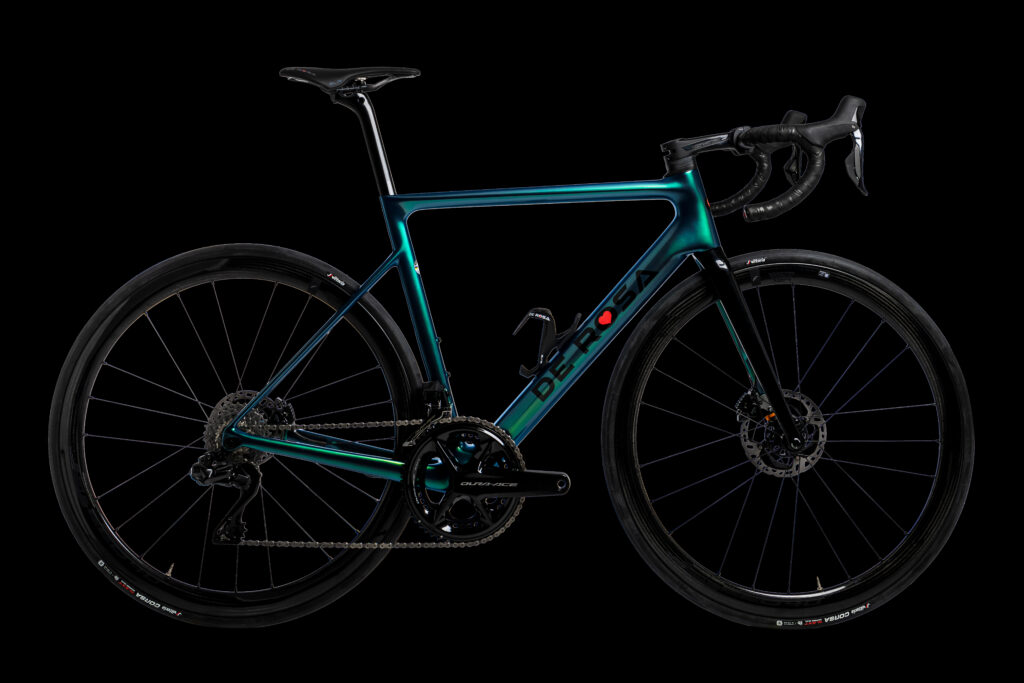
A boutique bike can sit quietly for months, then vanish from wish lists in a weekend. The carbon road bike conversation around the Merak makes sense because American riders are not only chasing speed. They are chasing proof. A strong video review gives them that proof in a way a spec sheet never can. The De Rosa Merak bike already had the ingredients: Italian race history, a light frame, clean cable routing, and the kind of silhouette that looks expensive before you read the build list. De Rosa North America describes the Merak as tied to the brand’s racing soul and notes that the model returned to the range 20 years after its Plouay world championship story. That background matters, but it does not close the sale by itself. What pushes a rider from “maybe someday” to “check inventory now” is seeing someone ride it hard, explain the feel, and make the bike look reachable. For U.S. cyclists comparing dream builds, race bikes, and weekend upgrades, the smarter question is not why the buzz happened. It is whether the bike fits your roads, your body, and your budget after the hype cools.
Why the Carbon Road Bike Buzz Around the Merak Feels Different
The first wave of interest comes from emotion, but the second wave comes from pattern recognition. Riders have seen this before: one trusted reviewer posts a clean ride impression, the comments fill with sizing questions, then small dealer stock starts looking thin. The Merak sits in the exact space where that cycle can move fast. It is not a mass-market bike stacked deep in every U.S. store. It is a premium Italian road bike with a name that already carries a little gravity.
That is why a cycling influencer review can work harder here than it would for a common endurance model. The audience is smaller, but the intent is sharper. People watching a Merak review are not browsing beach cruisers during lunch. They are often the ones who already know their stack, reach, preferred crank length, and whether they can live with an integrated front end.
A review can make a rare bike feel touchable
Most riders do not get to test a De Rosa at a local shop in Ohio, Arizona, or North Carolina. They might see Trek, Specialized, Cannondale, Giant, and Canyon everywhere, then only see De Rosa through photos, race shots, and dealer pages. That distance creates desire, but it also creates doubt.
A strong review closes that gap. When a reviewer talks about how the bike handles a fast descent, how it reacts out of the saddle, or how the cockpit feels after two hours, the frame stops being a polished object. It becomes a choice. You can picture it under your own hands.
That is where the De Rosa Merak bike gains an edge. It is not sold only on numbers. It is sold on the feeling that an old Italian race name still has a place next to modern aero shapes and electronic drivetrains. For a rider used to seeing the same five brands at every group ride, that difference has pull.
Scarcity changes how buyers read the same facts
Here is the counterintuitive part: limited access can make buyers more careful and more impulsive at the same time. A rider may spend weeks reading geometry charts, then move in minutes when the right size appears. Scarcity does not remove research. It compresses the final decision.
A U.S. buyer looking at a high-end frame may already have a short list. The Merak competes with clean Italian design, race positioning, and a story that feels less common than a big-box superbike. Once an influencer gives the bike social proof, the rider does not need ten more reviews. They need enough confidence to avoid regret.
That confidence often comes from small details. A reviewer who mentions toe overlap on tight turns, comfort over cracked pavement, or fit sensitivity gives more value than someone who only says the bike is fast. American roads are not all smooth canyon pavement. Some are chipseal, patched shoulders, and rough city exits before the good miles begin.
What the Merak’s Design Says About the Rider It Suits
The Merak is not trying to be a soft commuter in race-bike clothing. De Rosa describes it as a racing machine built for lightness, response, comfort, climbs, flats, downhills, Granfondo events, and demanding World Tour stages. That range sounds broad, but the personality is still clear. This is a bike for someone who likes speed and accepts that fit, setup, and maintenance matter.
That does not mean only racers should care. In the U.S., many serious buyers are not pinning on numbers every weekend. They are doing hard Saturday rides, fast charity centuries, mountain trips, and local hammerfests. They want a bike that feels alive when they push, not sleepy when the road turns up.
The frame story is more than weight
Weight gets attention because it is easy to compare. A review from BikeExchange reported De Rosa’s claim of an 800-gram painted size 54 frame and noted that the Merak is disc-specific, with build options beyond electronic-only setups. That is useful, but it is not the whole story. A light frame can still feel dull if the geometry, layup, and cockpit do not work together.
The Merak’s stronger appeal is balance. It has the clean look expected from a premium race platform, but it does not read like a pure aero weapon that only wakes up at race speed. That matters for American riders who may climb one day, ride flats the next, and hit rough pavement on both.
Think of a rider in Boulder doing morning climbs, then traveling to Florida for flat winter miles. Or a cyclist in California who rides Malibu canyons but still has to deal with city traffic on the way out. A bike that only excels in one setting can become annoying fast. The Merak’s promise is wider than that.
Integrated design rewards tidy owners, not casual tinkerers
Clean front ends look beautiful online. Hidden hoses and cables make a bike photograph like a sculpture. But they also make the bike less forgiving for riders who swap stems often, travel with the bike, or enjoy doing every adjustment at home.
That is not a flaw. It is a trade.
The non-obvious truth is that the best-looking premium bikes often ask you to know yourself better. A fully integrated setup can be a joy once dialed. Before that, fit changes can cost time and shop labor. If you are between sizes or still experimenting with bar width and stem length, the prettiest setup might become the most annoying part of ownership.
This is where a cycling influencer review can either help or mislead. If the reviewer matches your height, flexibility, riding style, and road type, the insight can be gold. If not, treat the review as one rider’s window into the bike, not a final verdict for your body.
Why U.S. Buyers Should Think Beyond the Sellout Moment
The hype window is exciting, but premium bike buying punishes panic. A frame like the Merak deserves a slower second look, especially if you are ordering through a dealer, configuring parts, or waiting on a size. In the U.S., the smartest buyers often move fast only after doing slow homework.
The first question is fit. The second is service. The third is whether the full build makes sense for the kind of riding you do most. A gorgeous Italian road bike can still be the wrong purchase if the geometry puts you in a position you cannot hold, or if the shop support around you is thin.
Availability is only one part of the purchase
A “selling out” story can make any bike feel like the last ticket out of town. That pressure is useful for dealers, but not always for riders. Before you chase whatever size appears, check whether it is your size, not merely close. Road bikes punish wishful thinking.
A rider who needs a shorter reach should not buy long because the color is better. A rider who wants comfort over five-hour rides should not ignore stack because the review made the bike look fast. Fit mistakes get expensive when stems, bars, brake hoses, and headset routing enter the picture.
For cyclists comparing premium frames, road bike fit considerations should come before paint, drivetrain, and wheel depth. That may sound boring. It saves money. It also keeps the dream bike from becoming the bike you avoid on windy days because your neck hurts after mile 40.
The best build may not be the flashiest build
A strange thing happens with high-end frames. Buyers sometimes spend so much emotional energy reaching the frame that they rush the rest of the build. Then they end up with wheels too deep for local crosswinds, gearing too hard for their hills, or a saddle chosen because it matched the photo.
The better move is to build around your real rides. If you live near rolling Midwest roads, a balanced wheelset may beat a deep aero setup. If you climb in Utah or Colorado, gearing matters more than showing off a pro-style cassette. If your group rides include rough shoulders and railroad crossings, tire clearance and pressure choices will matter every week.
This is also where premium cycling gear reviews can help when they focus on ownership, not only first impressions. A review filmed on perfect roads tells one truth. A six-month update tells another. Both matter, but the second one often protects your wallet.
How to Decide Whether the Merak Is Worth Chasing
The Merak makes the most sense for a rider who wants race energy without buying the same frame as half the local fast group. It is for someone who cares how a bike feels under load, how it looks leaned against a café wall, and how the brand story adds pleasure after the ride is over.
That last part is not shallow. Bikes are emotional purchases. A smart buyer admits that, then checks the practical boxes anyway. The danger is pretending emotion has no role, because that is when you start dressing up desire as pure logic.
Match the bike to your riding week, not your fantasy ride
Your fantasy ride might be an alpine climb with perfect weather. Your actual week may be two evening loops, one fast Saturday group ride, and a Sunday recovery spin with rough pavement near home. Buy for the week you live, not the postcard in your head.
For some riders, the Merak lines up well with that reality. It can offer the spark that makes normal routes feel special. A bike does not need to be raced to justify a race-minded frame. It needs to make you ride more, ride better, and enjoy the hard parts.
Still, be honest. If you want upright comfort, easy travel packing, low service demands, and wide tire calm, another bike may serve you better. The right Italian road bike should feel like a partner, not a dare.
Use safety and service as part of the value test
A fast bike does not replace basic road judgment. NHTSA reminds riders that cyclists on roads often carry the same responsibilities as drivers, and it stresses fit, visibility, predictable riding, and working equipment as part of safer cycling. That advice may sound plain next to a premium frame discussion, but it is the part that keeps the bike useful outside a showroom.
Service belongs in the same conversation. Ask who will maintain the headset system. Ask whether replacement hangers, seatpost hardware, headset parts, and small frame pieces are easy to source. Ask how long a special-order part may take. A rare bike is more fun when you know how to keep it on the road.
A final check: make sure the dream survives the invoice. Frame, groupset, wheels, cockpit, saddle, pedals, computer mount, cages, tires, sealant, fitting, and shop labor all add up. A bike that looks attainable as a frameset can become a serious project by the time it is ready for its first ride.
Conclusion
The Merak buzz is not only about a pretty bike getting attention. It shows how modern riders buy now: they mix old brand romance with influencer proof, dealer scarcity, and sharp personal research. That can lead to a smart purchase, or it can lead to a rushed one. The difference is whether you treat the review as a starting point instead of a command. A carbon road bike at this level should fit your body, your roads, and your service reality before it fits your feed. The De Rosa Merak bike has enough heritage and modern race intent to deserve the attention, especially for riders who want something less common than the usual superbike choices. But the best buyers will slow down at the exact moment everyone else speeds up. Check fit. Check support. Check the build. Then, if the bike still makes your pulse jump, move with confidence and make the ride count.
Frequently Asked Questions
How much does a De Rosa Merak usually cost in the USA?
Pricing depends on frame availability, dealer setup, drivetrain, wheels, and cockpit choices. Expect it to sit in premium race-bike territory rather than entry-level pricing. The safest move is to ask an authorized dealer for a complete quote, including labor, shipping, fit work, and small parts.
Is the De Rosa Merak good for long weekend rides?
Yes, for the right rider. It has race intent, but its appeal is not limited to short crit-style efforts. Comfort will depend on fit, tires, pressure, wheels, and cockpit setup. A professional fit matters more here than chasing the most aggressive-looking position.
Why would an influencer review make a bike sell out?
A trusted review reduces doubt. Buyers can see the bike ridden, hear practical feedback, and picture ownership more clearly. When inventory is limited, that confidence can push serious shoppers to act before their preferred size or build disappears.
Is an Italian road bike harder to service in America?
It can be, depending on the model and local shop experience. Common drivetrain parts are usually manageable, but frame-specific hardware may take more planning. Before buying, ask your shop about headset service, seatpost parts, derailleur hangers, warranty handling, and order timelines.
Should I buy the Merak if I am between sizes?
Do not guess. Integrated race bikes can be costly to adjust after purchase, especially if cockpit changes involve hoses or cables. Compare stack, reach, saddle position, stem length, and bar width with your current bike, then get a proper fit recommendation before ordering.
What kind of rider is the Merak best for?
It suits a serious road rider who wants sharp handling, premium design, and a less common brand story. It is a strong match for fast group rides, climbing days, spirited solo miles, and Granfondo-style events. Casual comfort-first riders may prefer a more relaxed endurance frame.
Are disc brakes worth it on a bike like this?
For most U.S. riders, yes. Disc brakes offer consistent stopping in wet weather, long descents, and fast group rides. They also pair well with modern wheel and tire choices. The tradeoff is more service complexity compared with older rim-brake setups.
What should I check before buying one online?
Confirm size, dealer reputation, warranty terms, frame authenticity, included hardware, return policy, and build compatibility. Ask for exact photos if the bike is in stock. For a premium purchase, avoid vague listings and make sure the seller can support you after payment.