

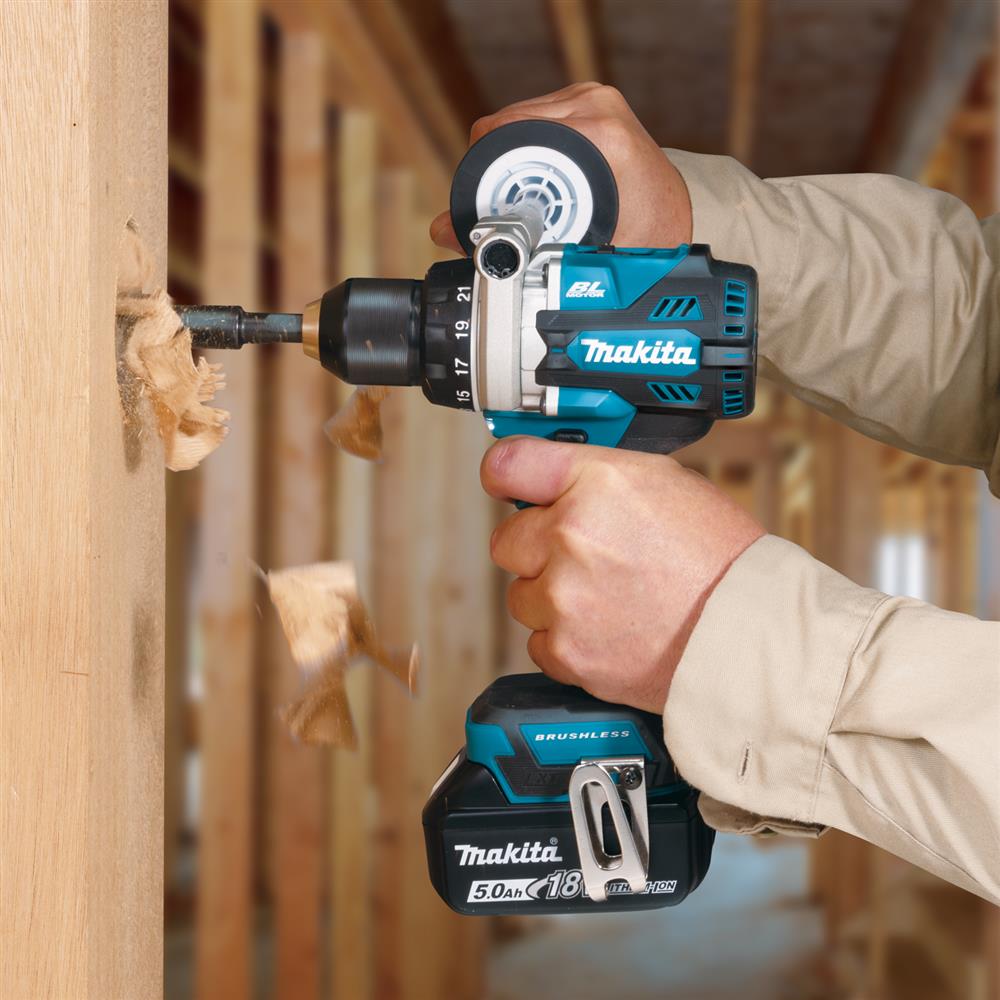
A home project usually fails long before the first screw goes in. It fails when the tool feels awkward, the battery dies halfway through, or the drill has more attitude than control. The brushless drill driver earns attention because it sits in the rare middle ground: strong enough for shelves, cabinet pulls, deck repairs, and garage builds, yet not so aggressive that a new homeowner feels outmatched. For many Americans fixing up a first house, apartment, condo, or weekend workspace, that balance matters more than raw muscle. A cordless drill kit also feels less like a one-job purchase and more like the start of a working setup. You can hang blinds on Saturday, assemble a nursery crib on Sunday, then build storage shelves the next month. That is why this Makita kit keeps showing up in DIY conversations. It solves the boring problem first: you need a dependable drill that does not make every small task feel like a construction site. For more home improvement buying notes, practical tool and project coverage can help connect the purchase to the way people work around the house.
Why the Makita 18V LXT Brushless Drill Driver Fits Real Home Projects
Most weekend repairs are not dramatic. They are a loose hinge, a stripped cabinet screw, a wobbly towel bar, or a garage hook that keeps falling out of drywall. That is the space where the Makita 18V LXT platform makes sense. It is not trying to act like a jobsite showpiece. It is a grown-up answer to the plain work that fills American homes.
The real test is not whether a drill can survive a fantasy renovation. It is whether you reach for it on a Tuesday night when the closet rod drops or the mailbox post needs fresh screws. Tools that clear that low-friction test become household staples. Tools that feel like an event stay in the case.
Why a cordless drill kit feels safer for first-time owners
A beginner does not need a tool that proves a point. You need one that responds cleanly when your finger moves on the trigger. A cordless drill kit with a proper battery, charger, and carrying case removes several early mistakes from the process. You are not buying a bare tool, then learning late that the battery costs extra.
That matters during small repairs. Say you are mounting curtain rods in a rental in Phoenix or putting together a flat-pack bookcase in a Chicago apartment. The job is not hard, but it has enough ways to go wrong. Too much speed can chew up the screw head. Too little power can stall in old framing. A balanced drill gives you room to correct yourself.
The non-obvious part is that confidence often comes from limits, not force. A drill that feels calm in the hand can make a cautious owner more willing to tackle repairs. That means the tool gets used. A stronger drill that sits untouched in a closet is not a better buy.
There is also less friction before the first project. You charge the pack, choose a bit, and get started. That sounds small, but small barriers kill home repairs. The longer a buyer spends sorting out missing parts, the easier it is to say the shelf can wait another week.
The quiet value of a DIY power tool that does not overreach
The average DIY power tool has to live two lives. One day it is assembling a patio chair. Another day it is boring pilot holes for a workbench. The trick is not finding the most extreme machine. The trick is finding one that feels steady across common jobs.
That is where this Makita kit has gained favor. It carries enough power for dense lumber and stubborn fasteners, but it still belongs in a home garage. You do not need a contractor’s trailer to justify it. A homeowner in Ohio can use it for basement shelving, a parent in Texas can use it for bunk bed assembly, and a hobbyist in Oregon can use it for pegboard storage.
There is a small cultural reason behind the rise, too. Americans are spending more time treating their homes as workshops, gyms, offices, and storage spaces at once. The drill becomes less of a special tool and more of a household utility. Like a ladder or stud finder, it stops feeling optional after the second project.
That shift changes how people judge value. A drill does not need to win a spec-sheet argument to be worth owning. It needs to solve enough repeat problems that you stop asking whether you should have bought one sooner.
Power, Control, and Battery Choices Matter More Than Hype
The best reason to look at this kit is not the brand name on the side. It is the way the spec sheet lines up with what home projects ask from a drill. Power alone can fool people. Control, speed range, chuck size, and battery fit decide whether the tool feels useful after the excitement of opening the box has faded.
A tool that can drill fast but cannot drive gently will frustrate careful users. A tool that feels smooth but stalls in basic lumber is no better. The sweet spot is boring on paper and pleasant in the hand. That is often where long-term satisfaction lives.
What 440 inch-pounds means on a Saturday project
The official Makita XFD131 listing gives the kit a 1/2-inch chuck, a two-speed range of 0–500 and 0–1,900 RPM, and 440 inch-pounds of maximum torque. Those numbers are not decoration. The lower range helps when driving screws with care. The higher range helps when drilling cleaner holes through wood, plastic, and light metal.
On a real Saturday, that might mean drilling pilot holes into studs before mounting a heavy mirror. It might mean fastening a garage rail system without stopping every few screws. The 1/2-inch chuck also opens the door to larger bits, which matters when you move from basic furniture assembly to real repair work.
Here is the detail many buyers miss: torque is only useful when you can control it. Too much punch at the wrong moment can bury a screw, crack trim, or twist your wrist. A sensible speed range gives the user a way to slow the job down. That is not a weakness. It is how clean work happens.
Think about installing cabinet handles in a kitchen. The work looks simple until the bit wanders, the screw slips, or one drawer face ends up scarred. In that moment, smooth trigger feel beats bragging rights. A tool should help your hands slow down, not push them into a mistake.
Why a cordless drill kit lives or dies by the battery platform
A drill can feel impressive on day one and become annoying by month six if the battery system is limited. The Makita 18V LXT battery line is a reason many shoppers take this kit more seriously. Home Depot’s product listing notes compatibility with Makita 18-Volt LXT Lithium-Ion batteries, which gives owners a path beyond one tool and one charger.
That platform thinking matters when you add a circular saw, impact driver, leaf blower, or work light later. The first tool sets the direction. Buy into a weak battery family and every future purchase carries friction. Buy into a broad one and the garage starts to make sense.
The counterintuitive lesson is that the drill is not always the main purchase. Sometimes the battery system is. A homeowner may think they are buying one drill for one task, but they are choosing the charging shelf their garage will use for years. That is why cordless tool buying tips should start with battery fit before brand loyalty.
Battery planning also affects where the tool lives. If the charger has a permanent spot near the workbench, the drill is ready when a repair pops up. If the charger gets buried in a hall closet, the tool slowly becomes a dead battery with a handle. Storage is part of performance, even if no product page says it that way.
The DIY Appeal Comes From Fewer Bad Decisions
Good tools do not make people experts overnight. They lower the number of bad choices a person can make while learning. That is why this kit has become easy to recommend for homeowners who are tired of borrowing a neighbor’s drill or fighting a weak bargain model from a junk drawer. It gives enough room to grow without forcing pro habits on day one.
That middle path is easy to overlook. New buyers often swing between two extremes: the cheapest kit on the shelf or the strongest model in the aisle. Neither choice starts with the real question. What jobs will you repeat, and what tool will make you less likely to damage your own house?
How homeowners avoid buying too much tool
There is a strange trap in tool shopping. Many people buy the largest model they can afford because they fear being underprepared. Then the drill feels heavy, loud, and harsh for the jobs they actually do. Hanging a closet organizer does not need the same feel as framing a deck.
The smarter move is to match the tool to repeat use. Door hardware, cabinet knobs, wall anchors, shelf brackets, small repairs, and hobby builds make up more home drill time than dramatic renovation work. A kit that handles those jobs well will earn its keep faster than a beast built for rare extremes.
This is where the Makita 18V LXT setup feels practical. It belongs to a serious tool family, yet the kit format keeps the starting point simple. You can bring it home, charge the pack, and work. No guessing at batteries. No mystery charger. No pile of add-ons before the first screw.
Buying less tool can be the more mature choice. That sounds odd in a category where power sells, but restraint protects trim, furniture, wrists, and patience. If a drill makes you feel in command instead of impressed for ten seconds, it is probably closer to the right fit.
Where a DIY power tool earns its keep after the first project
The first project gets the purchase approved. The tenth project proves whether it was wise. A DIY power tool earns that long-term place when it keeps showing up for jobs you did not plan when you bought it.
One week, you may repair a gate latch after a storm. Another week, you may predrill holes for floating shelves in a kid’s room. Later, you may build a simple plywood worktop in the garage. None of those tasks feel huge alone, but together they explain why a reliable drill becomes the center of a home kit.
There is also a comfort factor people rarely admit. When a tool works the same way each time, you stop postponing chores. The towel bar gets fixed before guests arrive. The loose step gets tightened before someone trips. That small shift in behavior is where tool value hides.
The better your first decent drill feels, the more your standards change. You start noticing crooked anchors, weak bits, and rushed measuring. A good tool does not replace skill, but it invites better habits. That may be the strongest reason this category keeps pulling in new DIY buyers.
Smart Buying Choices Before You Add It to the Cart
A popular tool can still be the wrong purchase for the wrong buyer. Before clicking checkout, you should think about what comes in the box, what projects you expect, and how the drill will fit the rest of your home setup. The aim is not to buy what everyone else bought. The aim is to avoid regret after the return window closes.
Price gets attention, but fit decides happiness. A kit that saves money and then sits unused is expensive. A kit that costs more but handles years of small repairs can feel cheap by the fifth or sixth project. That math is not flashy, but home ownership is full of that kind of math.
What should come in the cordless drill kit
The core appeal of a cordless drill kit is that it should be ready to work. A drill body without a battery may look cheaper, but it can cost more once you add the missing pieces. For a first-time buyer, the cleanest package includes the drill, battery, charger, and storage case.
Pay attention to battery amp-hours, too. A smaller pack can feel lighter and easier above shoulder height. A larger pack can run longer during repetitive work. For common household jobs, one decent pack may be enough, but a second battery becomes helpful when projects stretch into a full afternoon.
The practical test is simple. Ask what would happen if you opened the box at 9 a.m. before installing garage shelving. Would you have everything needed except bits and fasteners? If yes, the kit is doing its job. If no, the sale price may be hiding extra costs.
Bits deserve more thought than they get. A high-quality drill paired with weak bits still gives sloppy results. Start with a modest set from a trusted maker, then replace the sizes you wear out. The boring pieces in the case often decide whether the shiny tool performs.
Why safety belongs in the buying decision
Power tools are ordinary, which can make people careless. OSHA’s hand and power tool safety guidance warns that these tools can cause severe injuries when used or maintained the wrong way, and that extra attention is needed to reduce hazards. That advice is written for workplaces, but the logic fits garages and basements, too.
For home use, safety starts with boring habits. Use the correct bit. Clamp small work instead of holding it near the bit. Keep loose sleeves away from the chuck. Let the tool stop before setting it down. Wear eye protection when drilling overhead or into brittle material.
The less obvious safety choice is buying a drill you can control. If a tool feels oversized, you may grip it poorly or rush to finish. If it feels balanced, you are more likely to drill pilot holes, set clutch levels with care, and stop when something feels off. That is why home workshop safety guide content belongs beside buying advice, not after an accident.
A safe setup also includes the room around you. Clear the floor before drilling. Move pets out of the area. Keep a small box for screws and bits so they do not roll underfoot. Many home injuries begin with clutter, not the trigger.
Conclusion
The rise of this Makita kit makes sense because it meets homeowners where they actually work. Most people do not need a tool that turns every repair into a performance. They need a drill that feels steady, stores cleanly, and has enough strength for the projects that keep coming back. The brushless drill driver also sits inside a battery family that can grow with a garage, which gives the purchase more value than a one-off bargain. That does not mean every buyer should grab it without thought. You still need to check what comes in the box, how the weight feels, and whether the battery platform matches your future plans. A tool becomes valuable when it lowers the gap between noticing a problem and fixing it. But for Americans building a better home setup one weekend at a time, this kit has the right kind of appeal. It is practical before it is flashy. Choose it for the work you will repeat, not the fantasy project you may never start.
Frequently Asked Questions
Is the Makita 18V LXT kit good for beginners?
Yes, it can suit beginners because the kit format removes battery and charger confusion. The speed range also gives new users more control than a single-speed bargain drill. Start with pilot holes, lower speed, and soft trigger pressure until the tool feels familiar.
What can I use this Makita drill kit for at home?
It can handle common home tasks such as assembling furniture, installing shelves, drilling pilot holes, mounting hardware, tightening loose fixtures, and light garage builds. For masonry, heavy structural work, or frequent concrete drilling, you may need a hammer drill instead.
Is a cordless drill kit better than buying a bare tool?
For most first-time buyers, yes. A bare tool only makes sense when you already own compatible batteries and a charger. A kit costs more upfront, but it avoids surprise add-ons and gets you working sooner.
How much torque do DIY users need in a drill?
Most household users need enough torque for screws, studs, brackets, and light lumber, not extreme jobsite force. The better question is whether the drill offers control. Smooth speed response and clutch settings matter as much as the peak number.
Does the Makita 18V LXT battery system matter?
Yes, because batteries often shape future tool purchases. If you add saws, lights, outdoor tools, or an impact driver later, staying in the same battery line can reduce charger clutter and make your setup easier to manage.
Should I buy an impact driver instead of this drill?
An impact driver is great for driving many screws or long fasteners, but it is not a full drill replacement. A drill is better for clean holes and clutch-controlled fastening. Many homeowners eventually own both, starting with the drill.
What accessories should I buy with a drill kit?
Start with quality drill bits, driver bits, a stud finder, wall anchors, eye protection, and a small case for fasteners. Skip oversized accessory bundles filled with pieces you will not use. A few durable bits beat a huge weak set.
How do I make a cordless drill last longer?
Keep batteries away from heat, store the tool dry, use the right bit for each material, and avoid forcing the motor when a bit stalls. Clean dust from vents after messy work. Good habits often matter more than brand choice.