

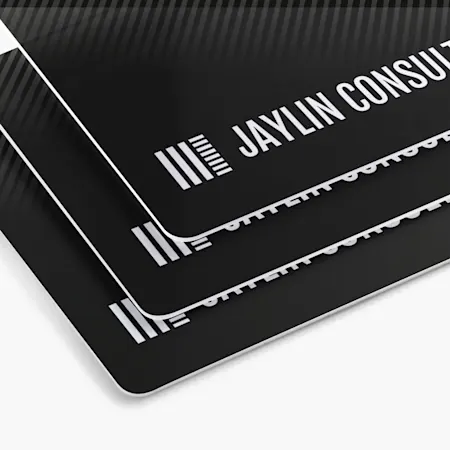
Nonprofits face the constant challenge of funding their mission without relying on a single source of income. Donations rise and fall, grants arrive with strings attached, and events demand huge effort for uncertain returns.
Plastic fundraising cards offer a steadier, more predictable way to bring in money. They are affordable to produce, simple to sell, and they keep supporters connected to your cause long after the first purchase. The real advantage is flexibility. One card design can work as a discount tool, a gift, a membership perk, or a sponsorship asset.
What are Plastic Fundraising Cards?
Plastic fundraising cards are durable, branded cards that a nonprofit sells or issues to raise money and stay connected with supporters. They come in several formats, and each one suits a different fundraising goal.
Common Types of Plastic Cards Used by Nonprofits
Most organizations choose from a handful of proven formats depending on their audience and goals. Each type works a little differently, but all of them put a tangible product in a supporter’s hands.
The most common options include:
- Discount or savings cards that offer deals at partner businesses
- Gift cards that supporters can buy for themselves or give to others
- Membership cards that grant perks and signal ongoing support
- Scratch-off or donation cards that add an interactive, instant element
Choosing the right format is the first step toward a campaign that practically sells itself.
Why Do Plastic Cards Beat Traditional Fundraisers?
Traditional fundraisers often cost a lot in time, materials, and volunteer energy for modest returns. Plastic cards flip that equation by lowering costs while increasing repeat value.
Higher Margins, Lower Overhead
The cost to produce a quality card is small compared to what supporters will pay for it. Discount cards that cost a dollar to make can sell for ten or twenty, and most of that difference goes straight to your cause. Lower overhead means more of every sale funds your programs rather than your expenses. That efficiency is hard to match with bake sales or merchandise drives.
Built-In Brand Visibility
Unlike a one-time donation envelope, a plastic card lives in someone’s wallet and gets seen again and again. Every time a supporter pulls it out, your logo and mission earn a moment of attention. That ongoing visibility turns each cardholder into a quiet ambassador for your organization. Few fundraising tools keep working long after the sale is complete.
Repeat and Recurring Revenue
The best part of a card program is that the income does not stop after the first sale. Memberships renew, gift cards get reloaded, and discount cards are repurchased season after season. This recurring pattern gives nonprofits something rare: a fundraising tool that keeps paying off year after year. Over time, those repeat sales can outgrow the original campaign entirely.
6 Proven Strategies to Boost Nonprofit Revenue With Fundraising Cards
Once you understand the value these cards offer, the next step is putting them to work. The six strategies below are the most effective ways to turn fundraising cards into steady, growing income.
1. Sell Discount Cards Partnered With Local Businesses
Discount cards are one of the easiest fundraisers to sell because supporters get real, immediate value. You partner with local businesses willing to offer cardholders a deal, then sell the card to your community.
The best partners to approach usually include:
- Restaurants and cafes offering a percentage off
- Local shops with member-only discounts
- Service providers like salons or gyms
Buyers pay happily because the savings cover the price many times over. Your nonprofit keeps the proceeds, while local businesses gain new customers in return.
2. Offer Branded Gift Cards Supporters Can Buy and Give
Branded gift cards bring in upfront cash and make giving back effortless. Supporters can buy them for your store, your services, or as part of a co-branded deal with a partner business.
These cards shine during the holidays and other gifting seasons, when people want meaningful presents that also support a cause. Every gift card sold is money in hand today, often before the value is ever redeemed.
3. Launch a Paid Membership or Loyalty Card Program
Membership cards turn one-time supporters into recurring contributors. For a yearly fee, members receive a card that rewards their loyalty and keeps them engaged with your cause.
Popular perks that drive renewals include:
- Free or early access to events
- Exclusive updates and content
- Discounts from partner businesses
The card becomes a symbol of belonging that people are proud to carry. Year after year, those renewals build a dependable income base your nonprofit can count on.
4. Add Co-Branded Sponsor Cards for Extra Revenue
Sponsor cards let you raise money before a single card reaches a supporter. Local businesses pay to feature their logo or offer on the card, which covers your production costs and adds profit on top.
The sponsors gain exposure to an engaged, values-driven audience, while you gain a funded campaign from day one. It is a win for everyone involved and removes much of the financial risk.
5. Create Scratch-Off or Tiered “Donation Level” Cards
Scratch-off and tiered donation cards add excitement that encourages people to give more. Scratch-off cards offer an instant reward or prize, making the act of donating feel fun and immediate.
Tiered cards present suggested giving levels, gently nudging supporters toward a larger gift than they first intended. Both formats work especially well at events, where energy is high and decisions happen on the spot.
6. Sell Cards at Events and Bundle Them With Merchandise
Events and merchandise bundles give your cards a natural place to sell. Supporters are already in a giving mood, which makes these moments perfect for moving more cards.
Great places and pairings to try include:
- Galas and annual charity drives
- Online store checkouts
- Card and merchandise bundles, like a tote or t-shirt
Bundling a card with an item raises its perceived value and lifts the size of each order. This approach moves more cards while strengthening your brand with every purchase.
Tips to Maximize Revenue From Your Card Fundraiser
Strong card programs depend on more than the cards themselves. Smart planning can dramatically increase how much each campaign earns.
- Price for Value, Not Just Cost: Set your price around the value supporters receive, not just what the card costs to make. When a card saves someone hundreds of dollars, a twenty-dollar price feels like an easy yes.
- Make the Card Worth Keeping: Cards people want to keep get used again and again, which drives repeat revenue. Working with a quality custom card provider like Duracard keeps your cards polished and durable enough for daily use.
- Promote Across Every Channel: Even the best card will not sell if no one knows it exists. Share your campaign through email, social media, your website, and live events so it reaches your whole audience.
- Track Performance and Reorder Winners: Watch which cards, partners, and price points bring in the most money. Reorder your top performers, then refine or retire the rest to improve every cycle.
Apply these habits consistently, and a single fundraiser can grow into a steady revenue stream. The more you refine each campaign, the harder your cards work for your cause.
Important FAQs
How much can a nonprofit make from plastic fundraising cards?
Earnings vary by card type and price, but most nonprofits keep the majority of each sale. Discount cards costing a dollar to produce can sell for ten to twenty, turning small print runs into significant, repeatable revenue.
Which fundraising card is best for a small nonprofit to start with?
Discount cards are often the easiest starting point because they offer clear value and sell themselves. Once that program succeeds, small nonprofits can expand into gift cards or memberships to build steadier, recurring income over time.
How quickly can a nonprofit launch a plastic card fundraiser?
Most programs launch within a few weeks. After choosing a card type, securing any partners, and approving a design, your cards can be printed and ready to sell much faster than planning a full traditional event.
Bottom Line
Plastic fundraising cards give nonprofits a flexible, affordable way to raise money that does not depend on a single event or donor. From discount and gift cards to membership and sponsor programs, each option creates value for supporters while building a steady income for your cause. The smartest approach is to start with one card type that fits your audience, then expand as you learn what works. With the right plan, a simple plastic card can become one of your most dependable fundraising tools.
Duracard helps nonprofits bring these ideas to life with custom plastic cards built to look great and last. From discount and membership cards to fully co-branded designs, their team turns a simple concept into a polished tool supporters are proud to carry.
Want to print profit into your next campaign? Visit Duracard and design a card that works as hard as your mission does.